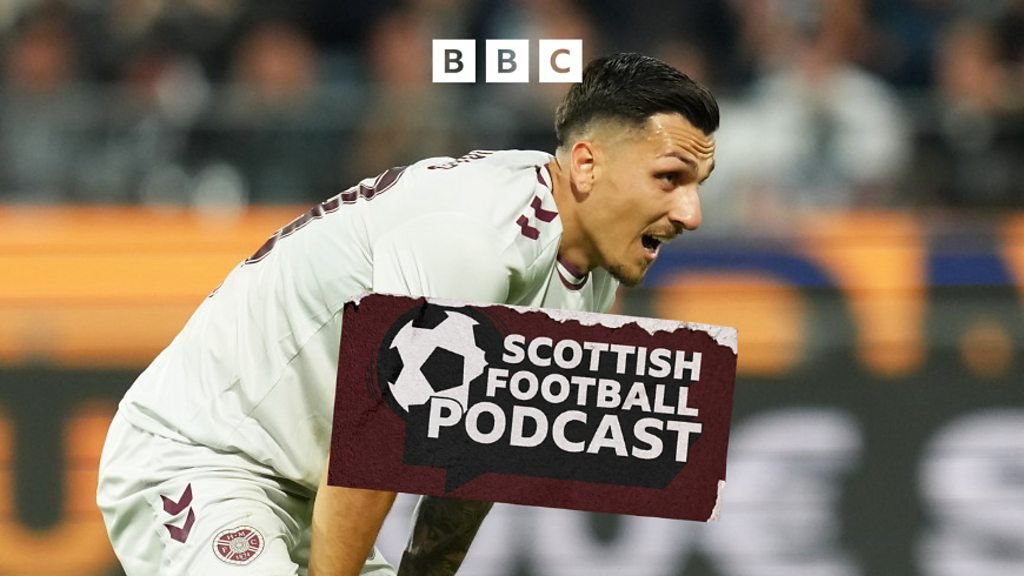
Hearts’ Adverse Evening in Graz Highlights Defensive Frailties
A challenging night unfolded for Hearts in the UEFA Champions League as they succumbed to a 4-0 defeat against Sturm Graz, raising serious questions about their defensive organization and overall tactics. This result not only complicates their chances of progression but also puts significant pressure on manager Wouter Vrancken, who is navigating a turbulent start to his tenure. The team’s failure to maintain a compact defensive shape allowed Sturm Graz to exploit spaces efficiently, leading to a series of unchallenged attacks that ultimately exposed Hearts’ vulnerability at the back.
Analysis of Tactical Shortcomings
Hearts opted for a traditional 4-4-2 formation in Graz, which, under ideal circumstances, could provide both defensive stability and attacking options. However, the execution proved problematic. The full-backs struggled to provide support in both defense and attack, leaving the centre-backs overexposed against Sturm Graz’s dynamic forwards. Defensive gaps were evident, particularly on the flanks, where wingers would frequently drift inside, pulling the centre-backs out of position. This tactical imbalance allowed the home side to dominate possession and dictate the pace of the game, culminating in a comprehensive loss.
Key Moments Shaping the Match
Crucial moments defined the match, with the opening goal serving as a significant turning point. Just before the half-time whistle, Sturm Graz capitalized on a misclearance by the Hearts defense, slotting home a goal that not only boosted their confidence but also demoralized the Hearts squad. Following the goal, Hearts struggled to regroup, conceding two more within quick succession in the second half. The inability to respond effectively to pressure and the lack of communication within the back line contributed heavily to their downfall.
Player Performances Under Scrutiny
Individual performances drew mixed reviews, with Hearts’ goalkeeper struggling to command his area effectively. His hesitation on set pieces and inability to organize the defense added to the team’s vulnerabilities. Conversely, Sturm Graz’s attackers showcased clinical finishing, taking their chances with precision and efficiency. The stark contrast in performance levels highlighted the need for Hearts to reassess not only their tactics but also player roles within the squad.
Recruitment Concerns Looming at Parkhead
Turning the attention to Celtic, whispers are circulating about forward Daizen Maeda potentially making a move to Ipswich Town. His departure would represent a significant blow to Celtic’s attacking prowess, given his versatility and goal-scoring ability. Concerns about recruitment have resurfaced, prompting questions about the depth of the squad as they seek to strengthen for the rigorous demands of the league and European competition.
Rangers’ Strategic Rebuild
Meanwhile, Rangers have been proactive in the transfer market, bringing in several new faces as manager Derek McInnes looks to build a squad capable of immediate title contention. The integration of new signings could provide the necessary depth and quality to challenge for both league and cup honors, putting pressure on their rivals. This ongoing transformation reflects a strategic approach aimed at addressing previous weaknesses and enhancing overall squad competitiveness.
League Cup Drama Continues
In the latest League Cup action, East Kilbride experienced a heartbreaking defeat against St. Mirren, highlighting the often unpredictable nature of knockout football. Such results reaffirm the importance of tactical discipline and the impact of individual moments in determining match outcomes. As teams strive to secure silverware, the pressure will only intensify, making effective squad rotation and tactical flexibility paramount in the coming weeks.