West Ham United and Leeds United Clash: A Tense Encounter
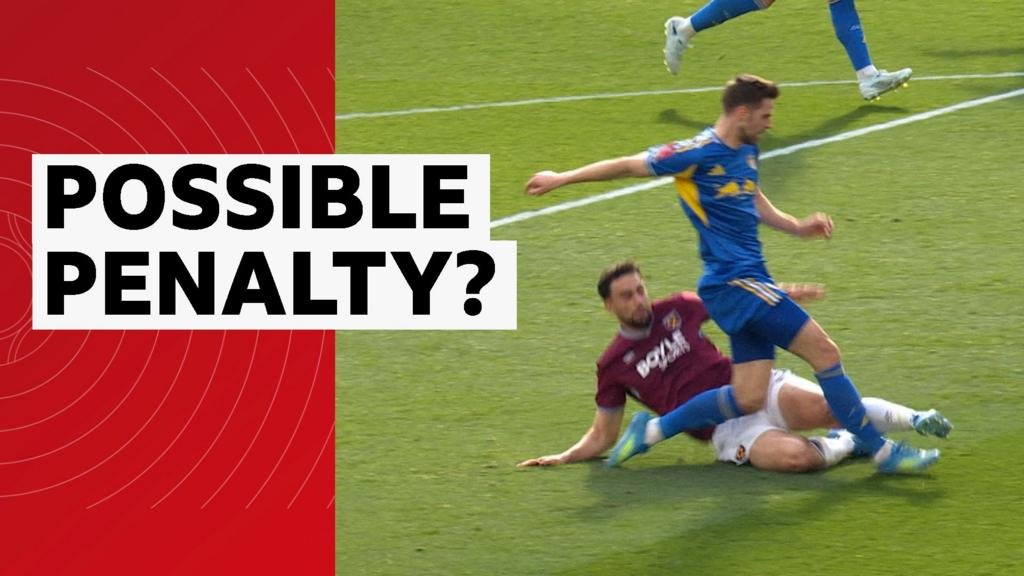
In a fiercely contested encounter, West Ham United managed to navigate a potential penalty scare against Leeds United, primarily due to a crucial moment involving Max Kilman and Anton Stach. The two players collided after Stach had already released his shot, leaving the referee with a difficult decision to make in a high-stakes situation.
Tactical Setups and Strategies
Both teams entered the match with distinct tactical approaches. West Ham set up in a 4-2-3-1 formation, aiming to dominate the midfield while utilizing their wingers to stretch Leeds’ backline. Meanwhile, Leeds adopted a more aggressive 4-4-2 setup, pressing high and looking to exploit any gaps left by the Hammers’ defense. This tactical battle was evident throughout the match, with each side testing the other’s organization and discipline.
Key Moments Shaping the Match
As the game progressed, it became apparent that the momentum could swing with just a single incident. The pivotal moment came when Stach found space on the edge of the box, brilliantly maneuvering past the West Ham defenders. His shot, however, was disrupted by Kilman’s intervention—a move that led to a moment of uncertainty for the officiating crew. This almost-penalty incident not only intensified the match atmosphere but also signaled the physicality both teams were willing to bring into the encounter.
Player Performances Under Scrutiny
Stach’s performance was notable in the midfield for Leeds; he showcased his ability to glide past defenders, demonstrating both ball control and creativity. Kilman, on the other hand, had displayed resolute defending throughout the match, and though the collision raised concerns, his overall presence contributed significantly to West Ham’s defensive stability. The clash might have been a moment of controversy, but it highlighted the ongoing duel between Stach’s attacking threats and Kilman’s defensive acumen.
Turning Points in the Encounter
While Leeds aimed to capitalize on set pieces, West Ham countered with swift transitions during turnovers. A notable tactic was West Ham’s resilience to soak up pressure before launching quick counter-attacks, which resulted in several threating opportunities. This tactical shift became apparent late in the first half when West Ham created a golden chance from a quick throw-in, showcasing their adaptability in crucial match moments.
Referee’s Decision: A Game Altering Moment?
The referee’s decision not to award a penalty following the Kilman-Stach incident was met with mixed reactions, underscoring the match’s intensity and the stakes involved. This moment became a talking point among fans and analysts alike, raising questions about consistency in officiating decisions. It was a game-changing moment, as a penalty could have drastically altered the dynamic, providing Leeds with a chance to take the lead and shift the game’s momentum in their favor.
Final Thoughts on Tactical Execution
In analyzing the overall tactics deployed by both sides, it became clear that adaptability and resilience were hallmark traits of this match. West Ham’s ability to maintain their defensive shape whilst countering efficiently was commendable. Meanwhile, Leeds, despite their high-pressing game faltering at times, showed moments of brilliance that kept the West Ham defense on edge. Both teams left the pitch with much to ponder, particularly as they continue to refine their tactical approaches in a competitive league landscape.