West Ham’s Late Equalizer Disallowed Amid Controversial Refereeing Decisions
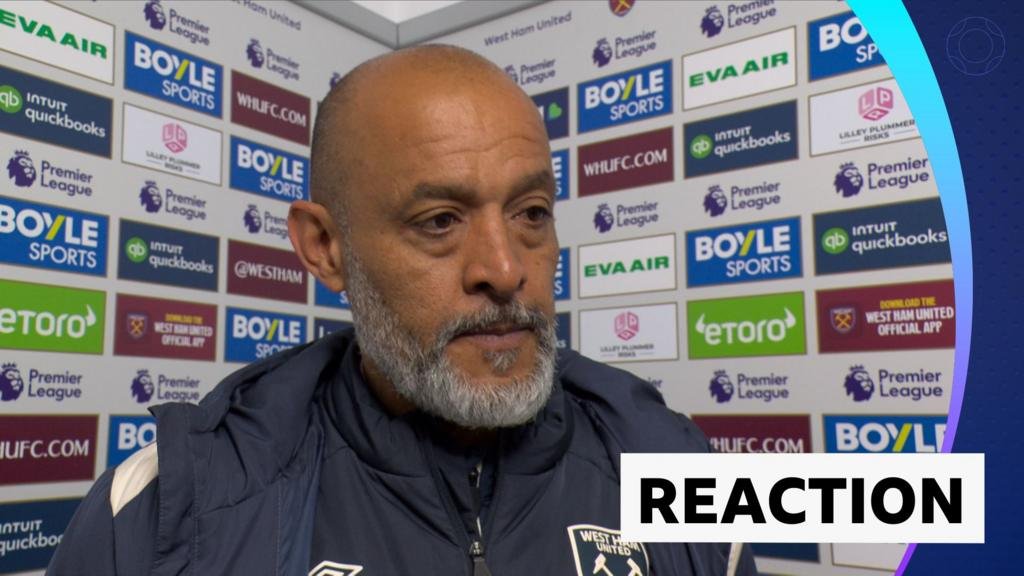
West Ham United’s manager, Nuno Espirito Santo, expressed his frustration over inconsistent officiating following a dramatic encounter against Arsenal. The match saw his side’s late equalizer dismissed due to a foul called on goalkeeper David Raya, raising questions about the referee’s judgment in crucial moments.
Tactical Analysis of the Match
From the outset, both teams showcased contrasting tactical approaches. West Ham set up in a 4-2-3-1 formation, aiming to dominate the midfield and utilize the pace of their wingers. Meanwhile, Arsenal’s 4-3-3 allowed for fluid attacking transitions, with a focus on high pressing to disrupt West Ham’s build-up play. As the match unfolded, West Ham’s reorganized attacking structure began to find gaps in Arsenal’s defense, particularly through incisive runs from midfield.
Key Moments and Turning Points
Arsenal initially controlled the tempo, but West Ham gradually adapted, with pivotal adjustments made by Espirito Santo. The turning point came in the 75th minute when West Ham leveled the score, seemingly reflecting their resilience. However, the referee’s decision to disallow the goal due to a foul on Raya not only bewildered fans but also sparked heated debate among pundits. Such moments can define matches, and the debatable call on what constitutes a fair challenge will undoubtedly be scrutinized in the days to come.
Player Performances Under the Spotlight
David Raya’s involvement in the controversial call put him at the center of post-match discussions. Despite the frustration from the West Ham camp, the Arsenal keeper had previously made several crucial saves, demonstrating his shot-stopping abilities and command of the box. On the opposite end, West Ham’s attack, spearheaded by their striker, exhibited tenacity and creativity, showing glimpses of their potential to dismantle solid defenses.
Formational Strategies and Adjustments
Throughout the match, both managers had to adapt their strategies on the fly. Nuno Espirito Santo’s substitutions injected fresh energy into West Ham’s midfield, aiming to exploit Arsenal’s defensive frailties. In contrast, Arsenal’s Mikel Arteta tweaked his formation slightly to tighten defensive lines as West Ham began to assert themselves, underscoring the dynamic nature of tactical battles in modern football.
Impact of Refereeing Decisions on Flow
The officiating decisions indeed disrupted the game’s flow. As frustrations grew, the inconsistency of the refereeing became more pronounced, affecting both teams’ morale. This not only diminished the competitive spirit on the pitch but also highlighted the ongoing challenges regarding VAR and how it interfaces with human judgment during high-stakes matches. Each contentious call, particularly the one that saw West Ham denied their equalizer, showcases the urgent need for clearer officiating standards.
Looking Ahead: What This Means for West Ham and Arsenal
Following the match, West Ham’s aspirations for a strong league finish remain intact, though they’ll need to focus on converting chances and maintaining composure in critical moments. For Arsenal, the victory provides a boost, yet the performance raised concerns about their defensive solidity when pressed. Both teams must analyze these performances closely as they prepare for upcoming fixtures and aim to address the tactical and strategic gaps highlighted throughout this encounter.