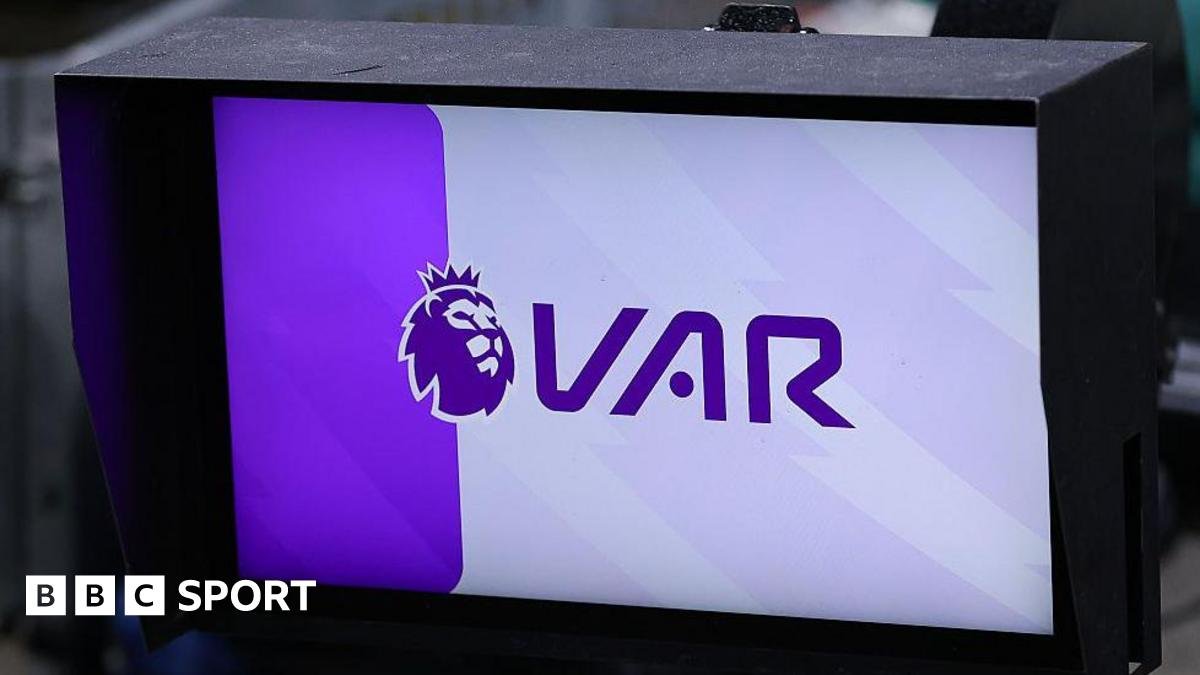
Championship Clubs Reject VAR Challenge System for Upcoming Season
In a key decision regarding the future of officiating in the Championship, clubs have unanimously declined the opportunity to implement a challenge system for Video Assistant Referees (VAR) beginning in the 2026-27 season. This rejection highlights ongoing debates surrounding the efficacy and management of VAR in professional football, particularly within a league known for its competitiveness and passionate fanbase.
The challenge system proposed would allow managers to question specific decisions made during matches, potentially transforming in-game tactics and influencing overall strategies. However, the clubs expressed concerns regarding the operational implications of such a system, believing it could lead to disruptions in the flow of play. Football analytics have consistently noted how frequent interruptions can alter team dynamics, impacting both momentum and player focus.
Tactically, teams are often forced to adapt quickly to referee decisions that might sway the game’s outcome. Allowing managers to challenge certain calls was perceived as a double-edged sword; while it could lend an air of fairness, the introduction of such a system might have inadvertently added yet another layer of complexity to an already multifaceted game. With the Championship characterized by its fast-paced style, the implementation of a challenge system could have fundamentally changed how teams approach their tactics throughout the match.
Moreover, the decision not to pursue this option aligns with the league’s current trajectory focusing on refining traditional officiating methods rather than integrating additional technology. Despite the global push for greater transparency and fairness, the Championship’s clubs seem inclined to preserve the organic nature of the game—where spontaneous interactions and decisions define the sport. This aligns with a broader sentiment echoed by fans who often feel that too much technology detracts from the human elements that make football captivating.
Player performances also play a pivotal role in this discourse. With the absence of a challenge system, the focus remains on how individual players react to decisions on the pitch. Players in the Championship are known for their resilience, and the pressure of dealing with contentious calls without recourse can sometimes lead to significant turning points in matches. This dynamic is something that clubs will continue to monitor closely as they seek to maximize performance while minimizing the potential for negative impact from officiating.
The decision also reflects a strategic recognition of the importance of maintaining a balance between fairness and the natural flow of the game. Managers often spend countless hours analyzing match footage, developing tactics that can either capitalize on or mitigate the effects of officiating variances. The weight of a referee’s decision can alter game plans drastically, which may lead teams to prioritize thorough preparation and adaptability rather than relying on a challenge mechanism that could potentially bog down proceedings.
As the football landscape evolves, Championships’ clubs face increasing scrutiny over their officiating standards amidst the broader conversation on VAR’s role in the sport. The rejection of a challenge system doesn’t dismiss the utility of advanced technologies but rather reflects a cautious approach aimed at preserving the essence of Championship football. As we move closer to the 2026-27 season, how this decision will impact club strategies, player performances, and the overall match experience remains to be seen, but it undoubtedly sets the stage for ongoing discussions regarding the future of officiating in football.