Contentious Encounters: Disciplinary Tensions Mark Uefa Nations League Clash
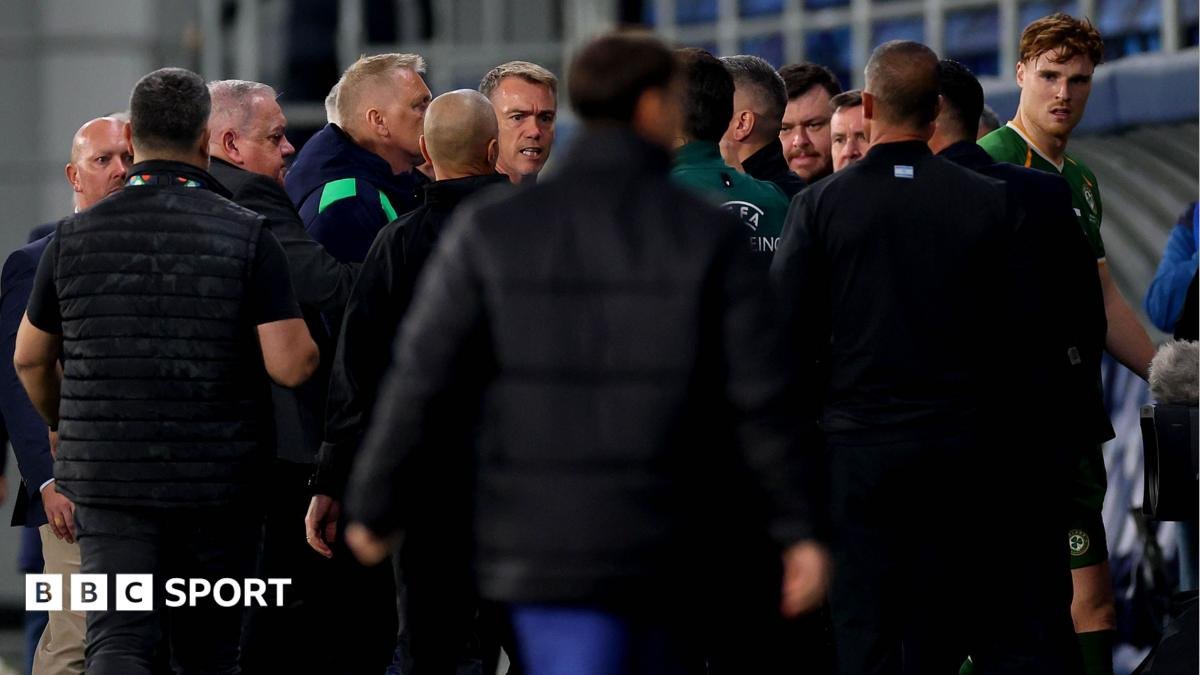
Republic of Ireland head coach Heimir Hallgrimsson expressed concerns over Israel’s aggressive tactics during their recent Uefa Nations League draw, alleging an atmosphere of intimidation. The match, which ended in a 1-1 stalemate, took place behind closed doors at TSC Arena in Serbia, intensifying the stakes for both teams. Hallgrimsson’s comments follow an incident where the head of athletic performance for the Republic of Ireland, Damien Doyle, claimed he had been spat at by an Israeli player, stirring controversy as the teams exited the pitch.
Half-Time Tensions and Accusations
The match reached a boiling point at half-time, amplified by reports from the Irish Times highlighting Doyle’s claims. As the players made their way down the tunnel, television footage captured a voice stating, “he spat on me,” reinforcing the allegations that marred the competitive spirit of the game. Such incidents not only affect the on-field performance but also create an environment of heightened emotions and possible hostility.
Hallgrimsson’s Response to On-field Hostility
In addressing the media, Hallgrimsson suggested that the atmosphere had been hostile since the kick-off, emphasizing the need for composure among his players. “I felt like they were trying to intimidate us from the start,” he said, acknowledging the potential for a match filled with cards. Yet, he commended his squad for maintaining their discipline and emotional resilience throughout the encounter. This ability to keep calm under pressure could prove crucial in future matches, especially in tightly contested fixtures like this one.
Focus Amid Distractions
Despite the episodes of alleged misconduct, the match itself showcased competitive football. The Republic of Ireland managed to equalize after initially trailing, illustrating their resilience and tactical acumen. Utilizing a structured formation, they adapted well to the dynamics of the match, efficiently transitioning from defense to attack whenever opportunities arose.
Israeli Perspectives and Denials
Conversely, Israeli head coach Ran Ben-Shimon maintained that he was oblivious to any spitting incident. His preoccupation at half-time was confined to discussions with his coaching staff, leaving him uninformed about on-field tensions. “When I get the chance to check, I will get back to you,” he noted, signaling the need for clarity amidst a narrative that could certainly evolve with further examination.
Player Performances Under Scrutiny
On an individual level, players from both teams exhibited varying degrees of impact on the game. Key players rose to the occasion, contributing not only in terms of defensive resilience but also attacking creativity. The midfield battle particularly stood out, with both sides employing aggressive pressing strategies to regain possession, illustrating distinct tactical approaches. As the match unfolded, the need for tactical fluidity became evident, highlighting the strengths and weaknesses of each team’s formation.
Looking Ahead: Impact of Off-Field Incidents
Off-field controversies like the spitting allegations can have lasting effects on team morale and future encounters. Both coaches will need to navigate this delicate landscape carefully as they prepare for subsequent fixtures in the Nations League. The Republic of Ireland’s ability to rise above such distractions may be pivotal in their quest for success in upcoming matches, as maintaining focus on tactics and performance becomes paramount in overcoming adversity.