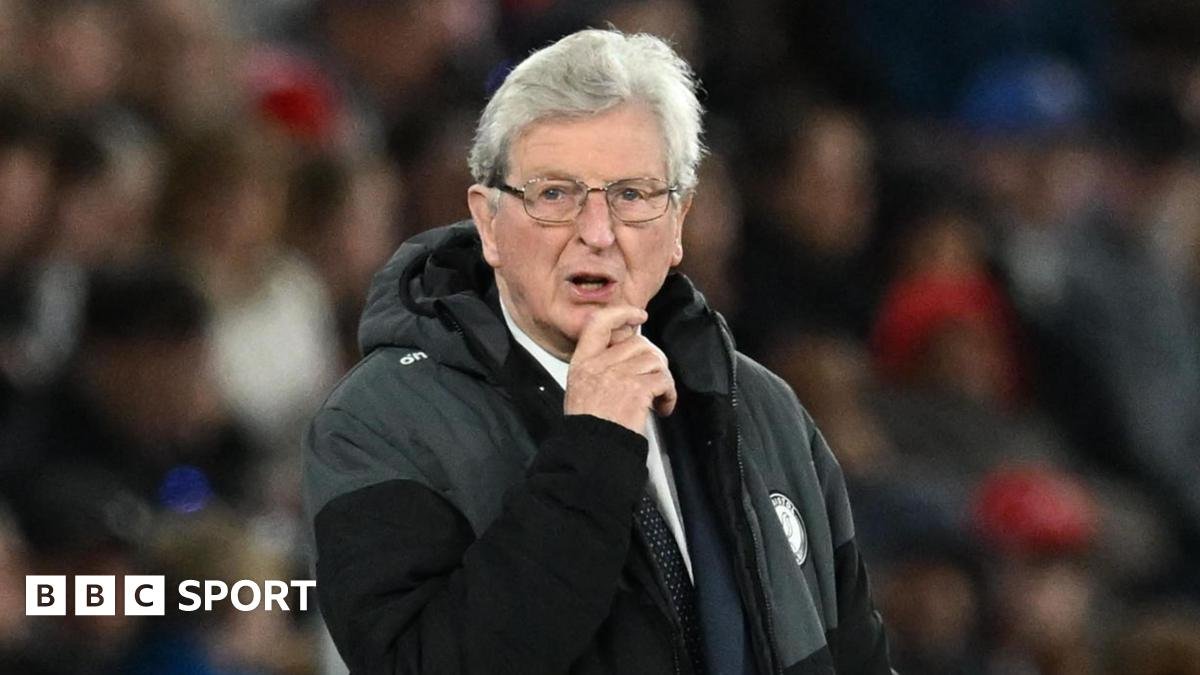
Roy Hodgson’s Resurgence: A Testament to Experience
Bristol City’s interim manager, Roy Hodgson, has demonstrated that he still possesses the managerial acumen necessary for success, even at 78 years old. With a record of two wins, two draws, and two losses heading into the crucial Championship finale against Stoke City, Hodgson reflects on his return to the touchline as an unexpected yet fulfilling chapter in his storied career.
The Road to the Final Game
Prior to stepping in as interim manager, Hodgson was enjoying a relatively comfortable retirement. His unexpected return to management raises essential questions about adaptability and capability at an advanced stage of a career. Despite initial uncertainties, Hodgson has proven to himself that he is fully capable of leading a team. His enthusiasm remains undiminished, debunking the myth that age could be a barrier to effective coaching.
Motivation and Engagement on the Training Ground
In interviews, he expresses a deep satisfaction with the daily engagement of coaching, highlighting the importance of being on the field with his players. The relationship between coach and squad is crucial in football, and Hodgson’s ability to connect with his players has been evident. This synergy has positively influenced the team’s morale and performance, showcasing his enduring relevance in contemporary football.
Reflections on Potential Retirement
While Hodgson is content with what he has accomplished in his career, he admits that the past five weeks have reignited a passion for coaching. Should this be his last stint as a manager, he savors the experiences gained, although he acknowledges a sense of reluctance to part ways with the vibrant atmosphere of training sessions and match days. The challenge of stepping away from the game is compounded by the camaraderie built with a receptive group of players eager to succeed.
Aiming for Stability and Growth at Bristol City
Hodgson has articulated a vision for Bristol City, emphasizing the necessity of establishing the club firmly within the upper echelons of the Championship. Rather than advocating for an immediate push for promotion, he suggests a more pragmatic approach: solidifying a position in the top six or eight. This strategy resonates with the long-term planning necessary for sustainable success in a competitive division.
The Potential for Rising Stars
Looking ahead, Hodgson painted an optimistic picture for the future of Bristol City. He speculates that should the team capitalize on their resources, they could well ascend the table, potentially even challenging for promotion within a couple of years. The foundation laid during this season, albeit fraught with challenges, can be harnessed into a springboard for future success.
Conclusion
Roy Hodgson’s tenure as interim manager has effectively illustrated that experience and knowledge are critical in navigating the complexities of football management. His methods, grounded in mentorship and player development, reflect an acute awareness of what it takes to succeed at this level. As the Championship season concludes, the legacy Hodgson leaves—whether or not he resumes coaching—could very well influence Bristol City’s ambitions in seasons to come.