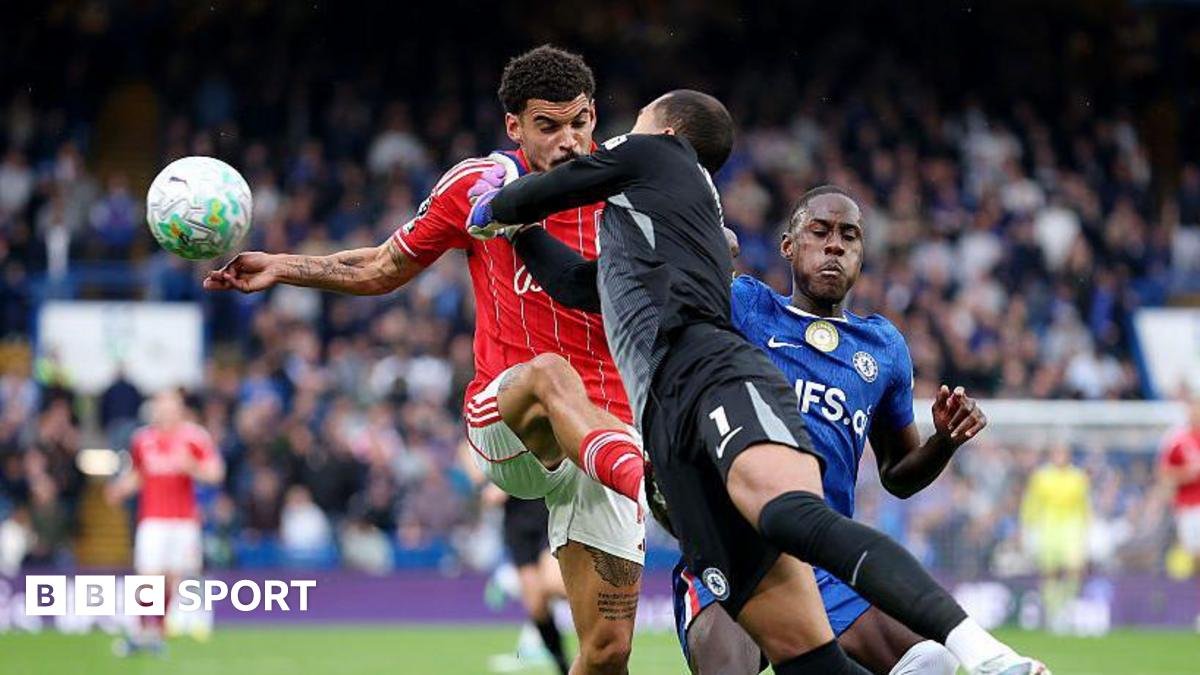
Substitution Insights: Gibbs-White’s Condition and Tactical Implications
Following the recent match, Pereira clarified that Brennan Gibbs-White’s substitution was not due to concussion, meaning he won’t be subject to the strict protocols typically associated with head injuries. This news sheds light on his potential availability for the upcoming match, which hinges solely on whether the cut on his face can heal in time.
Had Gibbs-White been diagnosed with a concussion, he would have faced a minimum exclusion from the squad, entailing a 24-hour cessation from activity followed by a stringent 48-hour rest period, and a six-stage “return to play” protocol. This highlights the critical importance of player safety that has increasingly come into focus in the modern game.
Concussion Protocol and Its Application
Premier League regulations allow teams one substitution for concussion-related injuries per match, which does not count toward the usual substitution limits. Chelsea utilized this provision during their recent game when young Jesse Derry sustained a head injury in a clash with Nottingham Forest’s Zach Abbott. The 18-year-old was immediately taken to the hospital but was reported to be conscious and in communication while undergoing precautionary checks.
Calls for Enhanced Head Injury Protocols
Luke Griggs, the chief executive of brain injury charity Headway, commended the care administered to both Derry and Abbott but emphasized that the collision incidents, including that of Gibbs-White with Sanchez, reveal a significant need for improvements in head injury protocols. While the inception of concussion substitutions is a step in the right direction, the current limitation of one permanent substitute per game constricts teams’ capabilities when facing additional head injuries.
Frustration Over Limitations on Substitutions
Griggs articulated concerns about the systemic limitations of concussion regulations, noting the frustration that ensues from the continued hesitance to permit temporary concussion substitutions. This approach could allow for players to receive thorough examinations without compromising the team’s tactical setup. Observations on the incidents involving Gibbs-White and Sanchez raise legitimate questions, as they were not subjected to the mandatory return-to-play protocols due to the circumstances surrounding their substitutions.
Focus on Player Welfare in Decision Making
It is vital to stress that this discourse is not intended to cast aspersions on the clubs themselves; both Chelsea and Nottingham Forest demonstrated prompt and professional responses to their players’ injuries. However, the crux of the matter lies within the overarching rules and protocols of the game, which must evolve to prioritize player welfare above all else. There is a pressing need for a reassessment of existing policies to better safeguard athletes’ health during competitions.
Key Tactical Decisions and Their Impact on Future Matches
The tactical implications of such injuries reach beyond immediate concerns. Coaches must navigate these decisions with an eye toward player safety while ensuring their lineups remain competitive. For Gibbs-White, if fit, his presence on the pitch could influence the team’s attacking dynamics, highlighting the importance of not only immediate match tactics but long-term player management as well.
As we look forward to upcoming fixtures, the focus will remain not only on recruitment and formation strategies but also on how clubs respond to these ongoing health and safety challenges while maintaining the competitive edge essential in Premier League football.