Referee Decisions Under Scrutiny in Crucial Moment
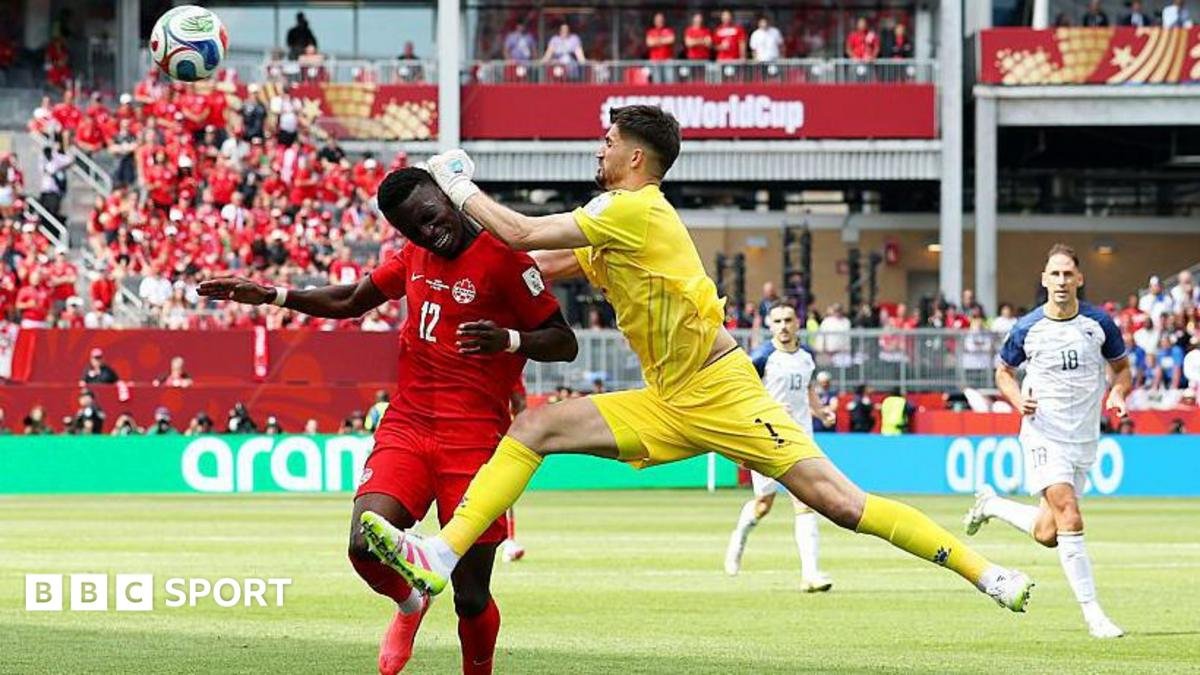
The recent match has sparked considerable debate around a pivotal red card decision that could have altered the course of the game. Wayne Rooney weighed in on the incident, emphasizing the inherent dangers associated with high tackles. He stated unequivocally that it was a red card offense, noting that the player’s follow-through struck an opponent in the temple—a particularly sensitive area. This assessment highlights the growing emphasis on player safety in football, especially when it comes to head injuries.
The Nature of Dangerous Play
Rooney’s assertion points to a broader consideration of what constitutes dangerous play. While it’s acknowledged that the player in question did make contact with the ball, the subsequent challenge left a significant mark on the opponent. Rooney articulated concern that such incidents could lead to concussions or more severe outcomes. This notion of “unintentional injury” complicates the conversation around referee decisions, as officials must weigh the technical aspects of a tackle against its potential repercussions off the field.
Perspectives from the BBC Pundits
Adding nuance to the dialogue, former French international Olivier Giroud offered insight from a striker’s perspective. He expressed frustration, acknowledging that a penalty could easily have been called in such circumstances. Giroud’s comments also illuminate the subjective nature of officiating, where varying interpretations of similar scenarios can lead to differing opinions. His balanced take recognizes both the technical execution of the challenge and the instinctive reactions of players involved.
The Role of Referee Darren Cann
Disagreements between Rooney and referee Darren Cann are not uncommon, and this incident serves as a microcosm of the ongoing dialogue about officiating standards in football. Cann’s decision-making process involves considering the intent and impact of a tackle—factors that can be inherently subjective. The fact that both men understand the complexities involved demonstrates the nuanced challenges referees face, particularly in high-stakes matches where every decision can be game-changing.
Key Tactical Implications
Tactically, the moment raised questions on team discipline and approach. Players must balance aggression with control, often leading to fine lines being crossed in crucial moments. How teams adjust their strategies post-red card can greatly influence their overall performance. Teams might shift to a more defensive formation to accommodate the loss of a key player, thereby changing their gameplay and opening opportunities for the opposition to exploit weaknesses.
Emphasizing Player Safety
The controversy surrounding this incident underscores the ongoing focus on player welfare in football. With concussion protocols becoming increasingly vital, the league’s approach to officiating and player conduct is under constant review. As discussions about safety evolve, so too must referee training and the guidelines governing what constitutes acceptable tackling. This incident will undoubtedly reignite conversations regarding how the sport handles such delicate matters moving forward.
A Call for Fan Engagement
As the debate continues to unfold, fans are invited to voice their own opinions on the decision. Should it have been a red card? The raw emotions surrounding such incidents often lead to impassioned discussions in the sporting community. As players and pundits express their views, the overarching narrative remains centered on the fine balance of player safety versus the competitive nature of football.