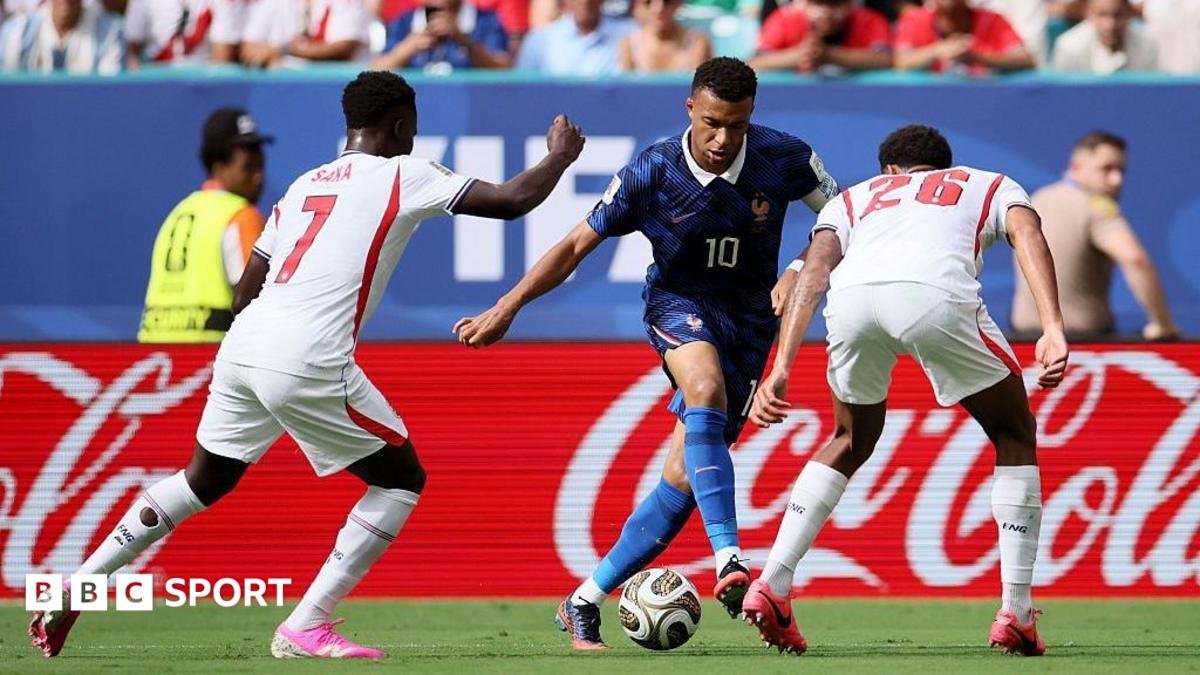
High Volume of Junk Food Advertising at the 2026 FIFA World Cup
A recent study has illuminated the overwhelming presence of advertisements promoting unhealthy food and beverages during the 2026 FIFA World Cup. Researchers from the University of Bristol and University of Oxford employed an AI tool to meticulously analyze advertisements visible to television audiences throughout the tournament’s 104 matches. These ads were predominantly displayed on pitchside boards and various locations within stadiums across the USA, Canada, and Mexico.
Ad Exposure Metrics Uncovered
The findings revealed a staggering total of 65,722 displays of logos and products from brands categorized as producing junk food and drinks—defined by the UK government as having high levels of fat, salt, or sugar. Remarkably, these advertisements accounted for a cumulative exposure time of 28.1 hours across the tournament, representing roughly 16% of total match time.
International Impact of In-Match Advertisements
The analyzed ads were broadcasted on the international feed during live play, rendering them visible to viewers worldwide. It’s important to note that these figures exclude advertisements shown during pre-match segments, halftime breaks, or the contentious in-match hydration breaks that have sparked discussions among fans and health advocates alike.
Averages and Key Brands Dominating Advertisement Space
The model applied by researchers estimated that each match featured an average of 576 visible ads related to junk food and drink. Coca-Cola emerged as the dominant brand, with an impressive 21,893 displays, followed closely by McDonald’s at 13,915, Powerade with 12,777, and Lay’s, which is known as Walkers in the UK, at 12,087.
The Sponsorship Connection
Each of these leading brands is officially partnered with FIFA, which raises questions about the influence of commercial interests on the sport. Powerade, an energy drink owned by Coca-Cola, underscores the intertwining nature of sponsorship and product promotion in major sporting events.
FIFA’s Defense Against Advertising Criticism
In light of these findings, FIFA has justified its partnerships by emphasizing that a significant portion of its revenue is reinvested back into football initiatives. This includes programs geared towards health and wellness, benefiting thousands of participants across various demographics. A FIFA spokesperson conveyed that the organization collaborates with a diverse range of global partners, all of whom adhere to FIFA’s governance and compliance guidelines.
Social Impact Campaigns Amidst Commercial Pressure
Furthermore, FIFA highlighted its commitment to social impact through campaigns such as ‘Be Active,’ which reportedly delivered messages of unity, inclusion, health, and camaraderie to a vast audience throughout the World Cup. However, inquiries directed to Coca-Cola, McDonald’s, and PepsiCo, the parent company of Lay’s, for additional commentary on the study remained unanswered, leaving a critical gap in the narrative.