Disparity in Funding: The Challenge for Continental Federations
The financial landscape of football is starkly divided. While UEFA member nations boast significant wealth and resources, many other countries, particularly in Africa, heavily depend on FIFA funding to establish and maintain basic infrastructure. This disparity underscores the challenges faced by federations operating outside the affluent realms of European football.
AFC’s Stance Amid Controversy
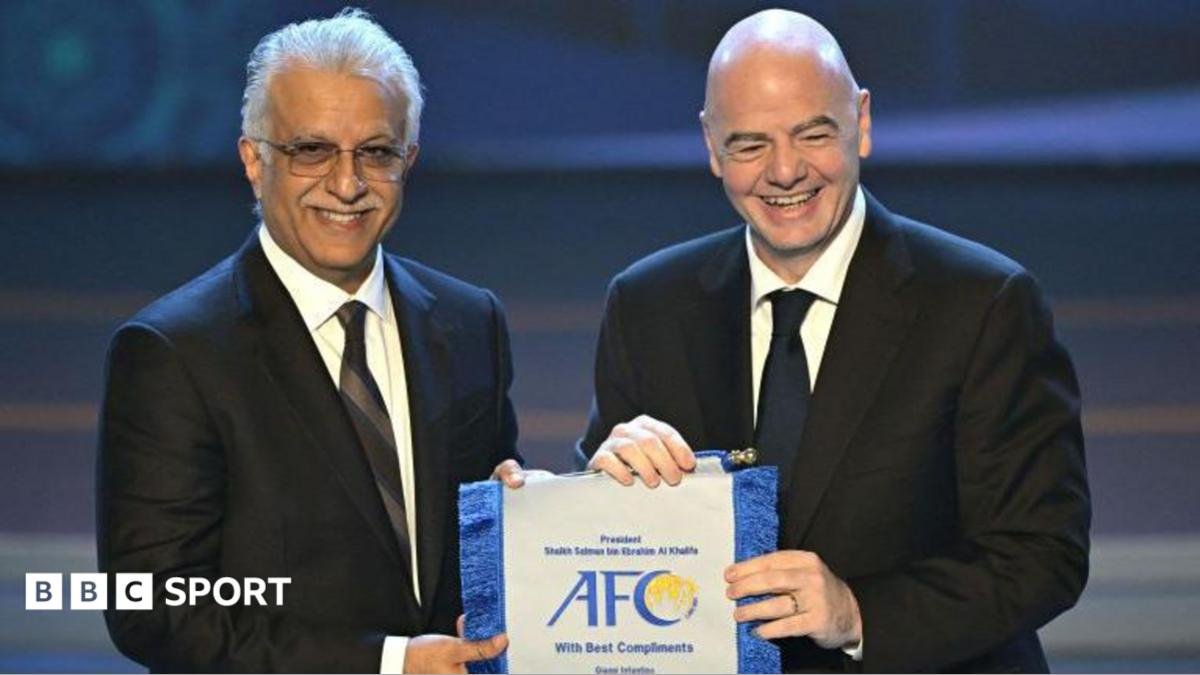
The Asian Football Confederation (AFC) has positioned itself against Gianni Infantino’s proposed reforms. However, unlike UEFA, it has not issued threats of boycotting FIFA events. The lack of obligation among AFC members to oppose these proposals indicates a complex dynamic within global football governance, where differing priorities and economic circumstances influence decision-making.
Advocating for Development: Rogers Byamukama’s Perspective
Rogers Byamukama, a representative from the Ugandan Football Federation, highlights the need for any strategy that could potentially channel more resources into underfunded nations. Byamukama points out the exorbitant costs associated with managing football, particularly in Africa, where financial resources are scarce. His insights reveal a pressing need for infrastructure development funded by FIFA, especially in light of revenue generated from global events like the World Cup.
Investments from FIFA: A Critical Lifeline
Byamukama elaborates on the impact of FIFA’s financial support, noting that many infrastructure projects in Uganda owe their existence to FIFA funding. This includes critical developments stemming from World Cup revenues derived from ticket sales and sponsorships. Such investments play an essential role in the growth of the sport, emphasizing the interconnectedness of fiscal health and grassroots programs aimed at nurturing future talent.
Grassroots Initiatives and Long-term Growth
Beyond infrastructure, FIFA’s funding has facilitated numerous grassroots initiatives across Africa, including the establishment of football schools. These programs are vital for nurturing talent and enhancing the overall landscape of the sport at the foundational level. Byamukama’s assertion that any additional resources would foster growth encapsulates the aspirations of many nations striving to elevate their footballing status on the global stage.
European Disparities and FIFA Funding Reliance
While Byamukama acknowledges UEFA’s right to voice concerns regarding FIFA’s governance, he also highlights a significant truth: UEFA members often do not face the same financial dependencies that many federations in Africa and elsewhere contend with. This comment underscores the different realities of football governance, where the wealthier federations can afford to challenge authority without jeopardizing their stability.
FIFA Forward Program: A Financial Boost
The FIFA Forward development program has seen a considerable allocation of resources, amounting to $2.8 billion (£2.08 billion) across 211 member associations by 2022. With the introduction of FIFA Forward 3.0 for the 2023-2026 cycle, funding has increased by 30%. This expansion not only promises additional support to individual member associations, with a further $5 million (£3.7 million) allocated to each, but also reinforces the financial backing for regional confederations, providing necessary funds for their own initiatives.