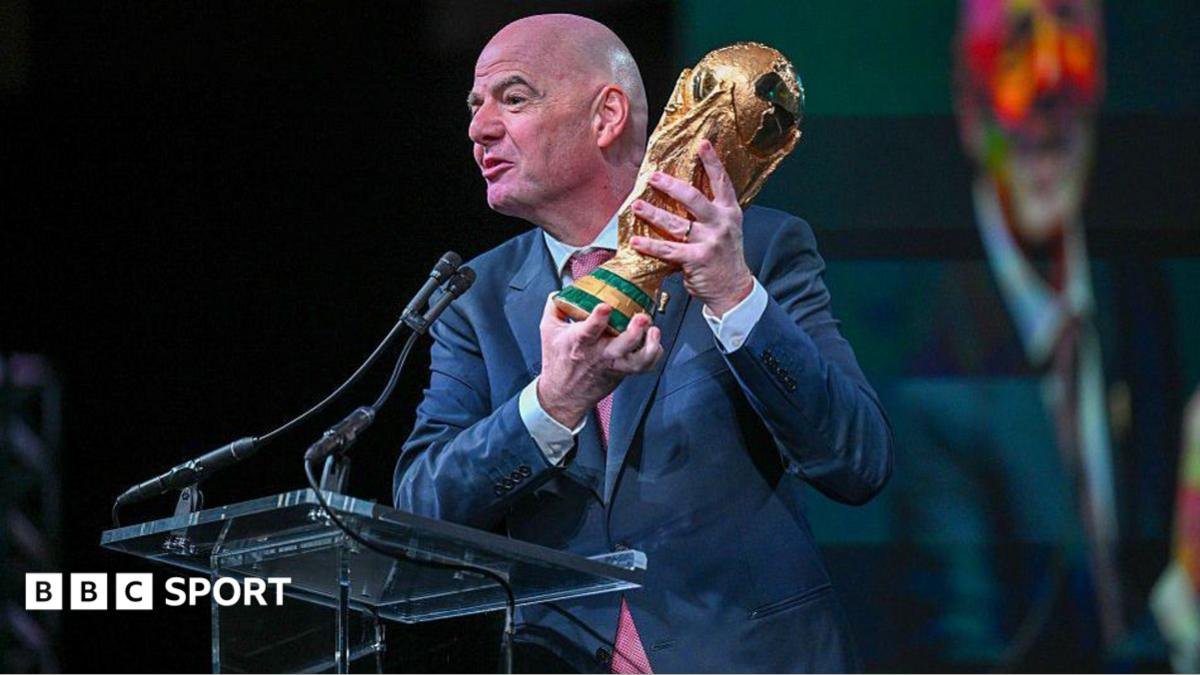
Emerging Nations Shine in a Larger Tournament Format
The introduction of a 64-team tournament offers significant advantages: a more streamlined structure and enhanced visibility for emerging footballing nations. This initiative, heavily endorsed by FIFA President Gianni Infantino, follows the remarkable performances of Cape Verde, which demonstrated that the competition can indeed accommodate surprises at the highest level.
Performances That Defy Expectations
Despite skepticism regarding the competitiveness of additional teams, Cape Verde proved critics wrong. The Blue Sharks achieved a commendable draw against both Spain and Uruguay, securing their spot in the knockout stages. They then took Argentina to extra time in the Round of 16, ultimately succumbing to a narrow 3-2 defeat. Such performances exemplify how the expanded format can foster competitiveness among less heralded teams.
The Balance of Competition and Underdog Stories
However, the charm of fairytale stories must be juxtaposed against the overall competitive integrity of the tournament. Nations like Haiti, Iraq, Jordan, and Panama failed to secure a single point, highlighting the disparity between the top contenders and those entering the fray for the first time. The 2026 group stage seemed less perilous for traditional football powerhouses, revealing a potential imbalance in the tournament’s structure.
Assessing Potential Additions to the 2026 World Cup
In considering a 64-team format, it is essential to evaluate where new spots would be allocated. Analyzing the qualifying performance of various nations indicates that additional teams such as Indonesia, Oman, and the United Arab Emirates could enter from the AFC, while Europe might see Denmark, Italy, and Poland joining the fray. The inclusion of these nations raises questions about the competitive strength they bring to the tournament.
Challenges of Expanding Participation
The diversity among confederations presents further challenges. With nine of Africa’s ten representatives successfully escaping the group stage, contrast this with only two of nine Asian teams progressing. The Concacaf zone showed similar trends, with only three of six nations, including the co-hosts, moving beyond the groups. Meanwhile, New Zealand, the lone Oceania representative, managed a solitary point, emphasizing the need for equations that consider both quality and representation.
Debating the Distribution of Places
One significant discourse surrounding expansion focuses on the equitable distribution of spots among confederations. Increasing the number of participants may warrant magnifying Europe’s representation to maintain competitive balance. Conversely, advocates argue that more teams can catalyze football development in less established regions, reinforcing the global nature of the sport.
Infantino’s Vision Versus Competitive Integrity
Gianni Infantino presents the expansion as a net positive for world football; however, there remain substantial doubts regarding its impact on competition. As almost one-third of FIFA’s 211 member nations could participate, there are concerns whether the group stage could devolve into a mere qualifying round for the knockout phase, ultimately diluting the prestige of the tournament.