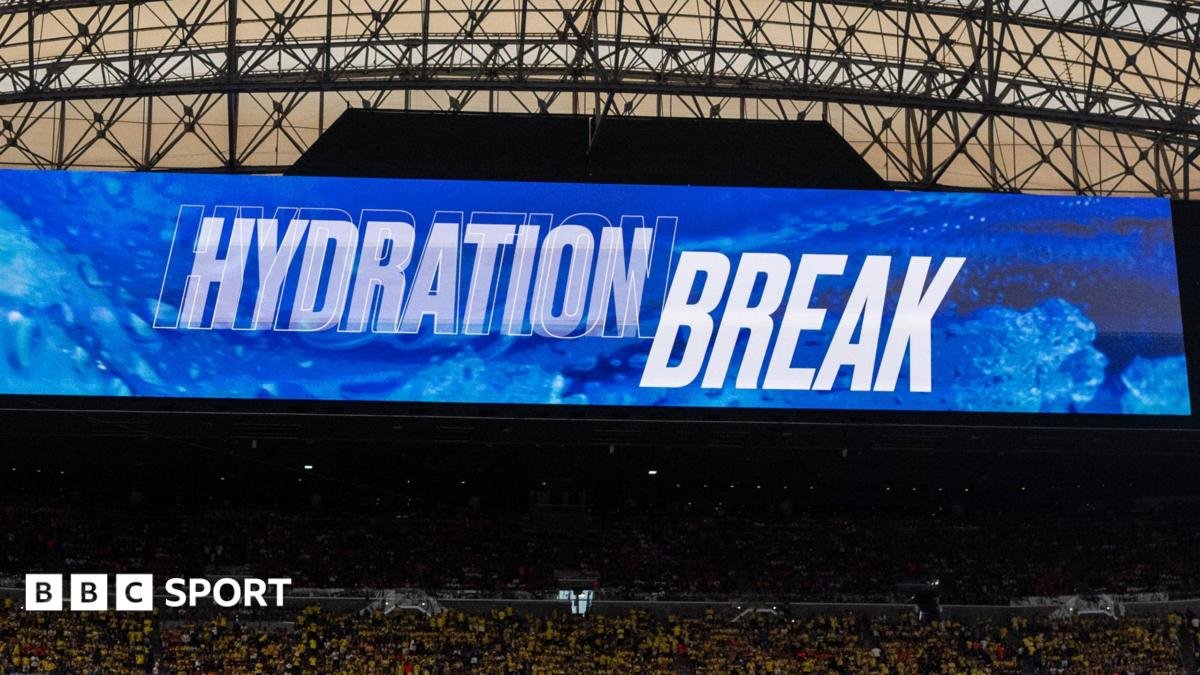
Importance of Hydration Breaks in High-Stakes Tournaments
In the heat of competition, especially in a tournament as demanding as the World Cup, the provision for hydration breaks has become not just a necessity but a strategic element. Managers and coaching staff can utilize these pauses to communicate vital tactical adjustments. This allows teams to recalibrate and optimize their performance, ensuring they remain competitive throughout the grueling match schedule.
Rationale Behind Tactical Breaks
The rationale for implementing hydration breaks goes beyond just quenching players’ thirst. FIFA President Gianni Infantino emphasized that these interruptions are primarily to address heat concerns. However, in a tournament lasting 39 days, where teams might play up to eight matches, ensuring players have an opportunity to rest is crucial. The scheduling can lead to fatigue, making these breaks essential for maintaining player performance levels.
Equity Among Competing Teams
One of the core objectives outlined by Infantino is to provide equitable competition conditions. A major concern arises when the environmental factors—like temperature—differ from one match to another. In scenarios where one coach can make tactical adjustments due to elevated heat, while another faces a more temperate setting, competitive integrity may be compromised. Thus, the hydration breaks help level the playing field, granting all teams the same opportunity to strategize effectively.
Impact on Match Dynamics
The introduction of these breaks can significantly alter match dynamics. For teams trailing, these moments may provide much-needed time to regroup and reassess their game plan. Conversely, well-prepared teams can utilize this time to reinforce their tactics and maintain their lead. Strategically, it’s a chance for crucial substitutions or changes in formation, making these moments pivotal in determining match outcomes.
Commercial Implications of Hydration Breaks
Beyond tactical adjustments, hydration breaks hold significant commercial value. Experts analyzing the advertising landscape during the World Cup highlighted that a 30-second ad slot on channels like Fox Sports can range significantly in cost—from $200,000 to $750,000 depending on the match’s stage and viewership. Notably, advertisements during these breaks are projected to contribute more than $250 million in revenue in the U.S. alone, underscoring the economic impact of such interruptions.
Player Performance Considerations
From a player performance standpoint, these breaks are vital for physical rejuvenation. Fatigue can lead to mistakes and injuries, which impact not only the individual players but also team performance overall. By allowing players to hydrate and receive brief coaching insights, teams can minimize risk and focus on executing their game plans more effectively in the second half of matches.
Long-term Effects on Tournament Strategy
The use of hydration breaks could reshape long-term strategies in international tournaments. Coaches may start devising more intricate tactical systems that capitalize on these pauses, leading to a more dynamic style of play. This evolution in approach could ultimately influence how football is played at the highest levels, turning these brief intermissions into critical components of match strategy.